Thinking about trading your NYC apartment for more space without giving up a practical commute? Harrison is one of those Westchester towns that often comes up for good reason. You get a train-centered lifestyle, a range of housing options, and a setting that feels more residential than many closer-in urban hubs. If you are wondering whether Harrison fits your budget, commute, and day-to-day priorities, this guide will help you sort through the tradeoffs. Let’s dive in.
Why Harrison stands out
Harrison sits about 22 miles north of Manhattan, which puts it in a sweet spot for many buyers who want more room but still need access to the city. The town describes itself as offering an easy NYC commute with a more relaxed feel, and the overall numbers support that image.
Census QuickFacts estimates Harrison’s 2025 population at 32,273 across 16.77 square miles of land. It also reports a 60.5% owner-occupied housing rate and a median owner-occupied housing value of $1,010,700. In plain terms, Harrison tends to feel lower-density and more space-oriented than a typical apartment-heavy commuter town.
What Harrison feels like
Harrison is not one single look or lifestyle. The town distinguishes areas such as Downtown, West Harrison, Sunnyridge, Brentwood, Silver Lake, and Purchase, which means your options can vary quite a bit depending on where you focus.
That variety matters if you are coming from NYC and trying to define what “more space” actually means for you. Some buyers want a walk-to-train setup and lower-maintenance living. Others want a detached home, more land, and a quieter residential setting.
Downtown and station-area living
Harrison’s downtown grew around the railroad and became the town’s civic and commercial center. That history still shapes the buyer experience today. If you want convenience near the Metro-North station, downtown gives you a more connected, train-first lifestyle.
The village’s current financial statement describes an active transit-oriented development program at the station. That includes about 147 luxury apartments, 27,000 square feet of retail, and two pedestrian plazas. It also references the 42-unit Playhouse Lofts, a 200-unit Webb Avenue apartment project, a 31-unit Harrison Grand building, and townhouse development on 2700 Westchester Avenue.
For NYC buyers, this means Harrison is not limited to classic suburban single-family homes. You can find apartments, mixed-use buildings, and townhomes near the station and along major corridors, which may feel like a smoother transition if you are not ready to take on a large property right away.
Detached homes and more land
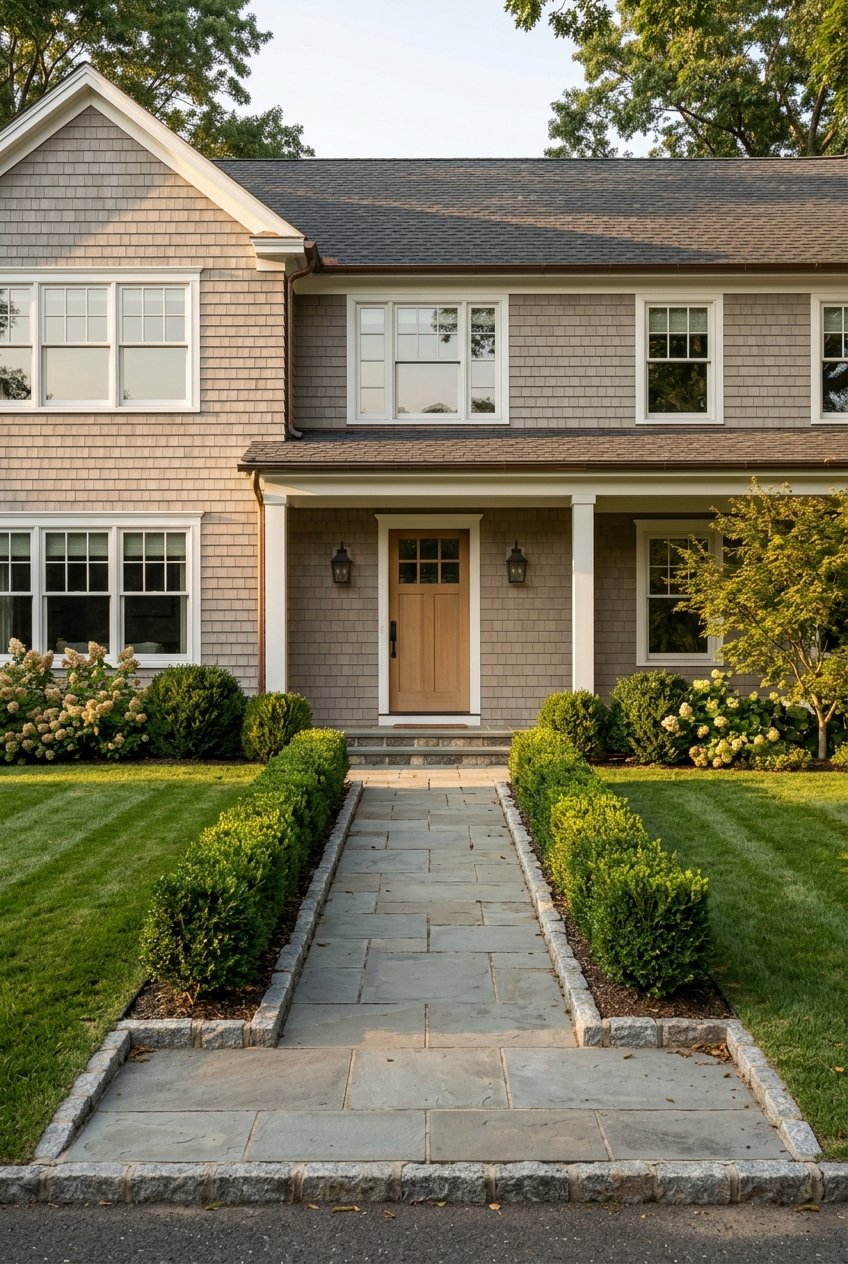
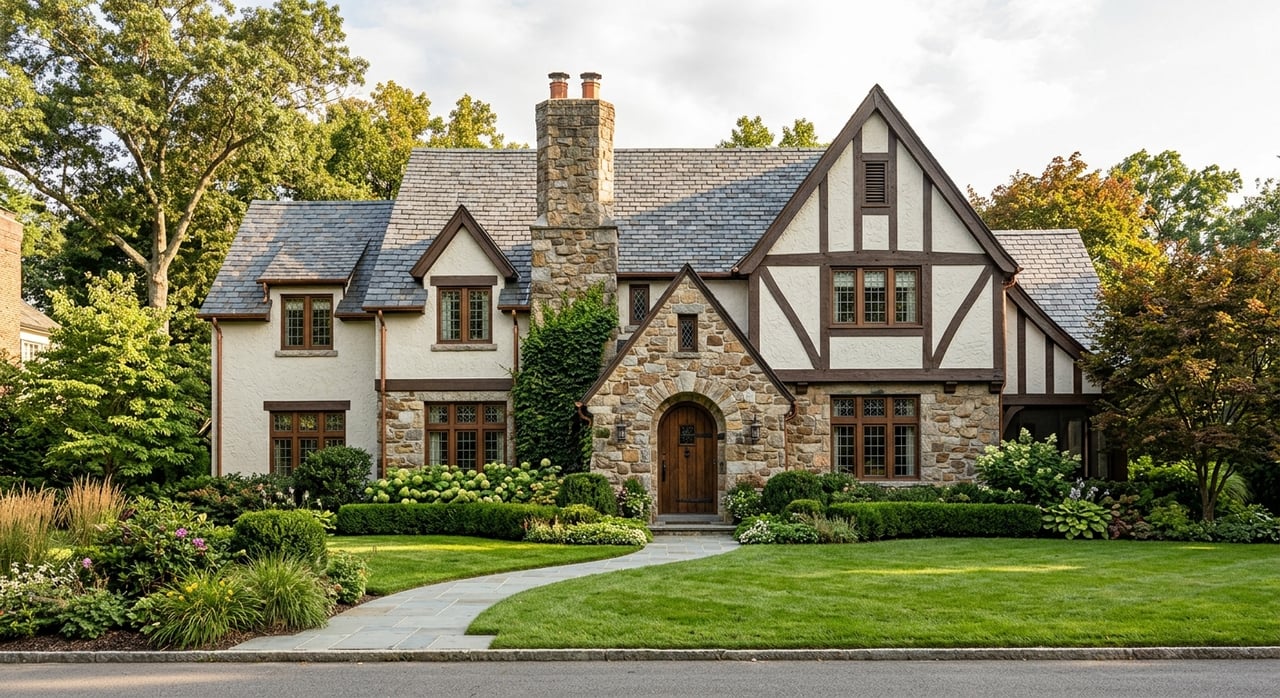
Beyond the station area, Harrison offers a more detached-home-oriented experience. The town notes that it includes homes on sprawling acreage as well as vibrant downtown neighborhoods. Its historian also describes Harrison as having retained more of a rural character than some comparable communities closer to Manhattan.
That can be a major draw if your NYC move is really about breathing room. If your priority is a yard, more interior square footage, or a quieter setting, Harrison gives you options that are hard to replicate in denser nearby downtowns.
What the price picture looks like
Harrison is not an entry-level market, and it helps to go in with realistic expectations. Recent sale data points to a clearly high-end environment, especially for detached homes in sought-after locations or with updates.
Redfin reports that homes in Harrison sold for a median of $1.9 million over the three months ending April 2026. During that period, homes took about 41 days to sell, averaged one offer, and roughly 33.4% sold above list price. That suggests a market where serious buyers still need to be prepared, even if conditions are not purely frenzied.
At the same time, Census QuickFacts shows a broader 2019 to 2023 median owner-occupied value of $1,010,700. These figures are measuring different things, so they should not be treated as interchangeable. The safer takeaway is that many detached homes in Harrison sit around seven figures, while well-located, larger, or updated homes can move far above that.
A practical budget framework
If you are trying to translate market data into a home search, this is a useful way to think about it:
- Station-area or smaller and older detached homes: around $1.3 million and up in recent sold examples
- Larger renovated homes or homes with more land: often $3 million and up
- Apartments and townhouses: available especially downtown and near the station
This range is one reason Harrison appeals to different kinds of NYC buyers. You may be able to choose between location, lot size, home condition, and maintenance level instead of shopping in a one-format market.
How the commute works
For many NYC buyers, the commute is what makes or breaks the move. Harrison station is a Metro-North New Haven Line stop, and the service pattern supports a workable daily rail commute.
The station is accessible and includes elevators, ramps, tactile warning strips, and audiovisual passenger information systems. The station page also notes three ticket machines, a waiting area, public restrooms, and Bee-Line bus connections. Those details may sound small, but they matter when you are commuting several days a week.
Travel time to Grand Central
The current weekday timetable shows Harrison departures to Grand Central at 5:00 a.m., 5:30 a.m., and 5:54 a.m., with arrivals at 5:49 a.m., 5:59 a.m., and 6:17 a.m. Exact travel time depends on the train and stop pattern, but the schedule clearly supports a realistic city commute rather than a long-haul suburban trip.
If you are comparing Harrison with farther-out options, this is a big part of the value equation. You are not just buying more house. You are buying space without moving so far out that the workweek becomes harder to manage.
Peak and off-peak costs
Fare structure also matters if you commute often. Metro-North peak fares apply on weekday trains scheduled to arrive in NYC terminals between 6 a.m. and 10 a.m., and on weekday trains leaving Grand Central between 6 a.m. and 9 a.m. Off-peak fares apply at other times on weekdays, all day Saturday and Sunday, and on holidays.
If your work schedule is flexible, that may affect your monthly commuting cost. It is worth thinking about your actual routine, not just the map distance, when you decide whether Harrison feels worth the move.
Amenities that support daily life
A move to the suburbs is not only about square footage. It is also about what your week feels like once you are there. Harrison’s recreation department supports local life with parks, pools, community centers, senior centers, and programming that includes summer concerts, pickleball, and seasonal activities.
Named parks in town recreation materials include Veterans Memorial Park, Brentwood Park, Wilding Park, Ma Riis Park, and Passidomo Veterans Memorial Park. For many buyers, that kind of local infrastructure helps justify the switch from apartment living to a more community-based routine.
This is especially relevant if you are looking for a town where weekends can happen close to home. You may still head into the city often, but the appeal of Harrison is that you do not have to rely on the city for every outing, errand, or outdoor break.
School context for buyers
For buyers who are factoring in school options, Harrison Central School District says it serves about 3,500 students across Harrison High School, Louis M. Klein Middle School, and four elementary schools. The district also offers International Baccalaureate programming, including the IB Diploma Programme and IB Middle Years Programme.
That is useful context if you are comparing towns based on long-term fit. Even if schools are not your immediate reason for moving, many buyers still want to understand what educational infrastructure exists as part of the broader value of a home purchase.
Harrison vs. White Plains
For many NYC buyers, White Plains is the natural comparison point. Both offer Metro-North access and both are established Westchester destinations, but they serve different priorities.
The City of White Plains describes itself as a vibrant urban and suburban community served by two Metro-North stations and a bus rapid transit system. It also notes that downtown White Plains is a corporate and retail hub with more than 3,000 units of residential housing built or in the approval process.
Census QuickFacts shows White Plains with a median owner-occupied value of $620,800 and a 51.0% owner-occupied rate, compared with Harrison at $1,010,700 and 60.5%. Put simply, White Plains generally offers more downtown density and a larger apartment stock. Harrison tends to fit buyers who want more space, a quieter residential feel, and a train-centered commute.
Which buyer usually prefers Harrison
Harrison often makes more sense if you are looking for:
- More interior and outdoor space
- A residential feel with access to the train
- Multiple neighborhood formats rather than one downtown-only lifestyle
- A market where detached homes are a major part of the housing mix
If your priority is more urban energy, a larger downtown, or a broader apartment inventory, White Plains may feel like the better match. If your priority is space first, Harrison usually deserves a close look.
How to decide if Harrison fits you
The best way to approach Harrison is to be honest about your own version of the suburban upgrade. Some buyers want to stay near the station and keep a walkable routine. Others are willing to drive more if it means a larger lot, a different neighborhood setting, or a higher level of privacy.
A few questions can help sharpen your search:
- Do you want station access to be part of daily life or just an option?
- Is your budget better aligned with a smaller detached home, a townhome, or a station-area apartment?
- Are you choosing Harrison because you want more land, more square footage, or both?
- Are you comparing Harrison mainly with White Plains or with other Westchester commuter towns?
When you answer those questions early, your search gets much more focused. In a market like Harrison, clarity usually matters as much as budget.
If you are weighing Harrison against other Westchester options, a local, data-driven read on pricing, commute tradeoffs, and neighborhood fit can save you time and help you make a more confident move. To talk through your goals and narrow the right towns and property types, connect with Anthony Lando.
FAQs
Is Harrison, NY a good fit for NYC buyers who want more space?
- Yes. Harrison offers a mix of detached homes, townhomes, and station-area apartments, with a more residential and lower-density feel than many apartment-heavy commuter hubs.
What is the typical home price range in Harrison, NY?
- Recent sold examples suggest station-area or smaller and older detached homes start around $1.3 million, while larger renovated homes or homes with more land are often $3 million and up.
How is the Harrison, NY commute to Grand Central?
- Harrison is on the Metro-North New Haven Line, and current weekday schedules show service that can reach Grand Central in under an hour depending on the train and stop pattern.
Does Harrison, NY have apartment or townhouse options?
- Yes. Downtown Harrison and station-adjacent areas include apartments, mixed-use buildings, and townhome development, in addition to detached homes in other parts of town.
How does Harrison, NY compare with White Plains for NYC buyers?
- White Plains generally has more downtown density and a larger apartment supply, while Harrison tends to appeal more to buyers who want extra space, a quieter residential setting, and a train-focused commute.
What amenities does Harrison, NY offer residents?
- Harrison’s recreation resources include parks, pools, community centers, senior centers, and programming such as summer concerts, pickleball, and seasonal activities.