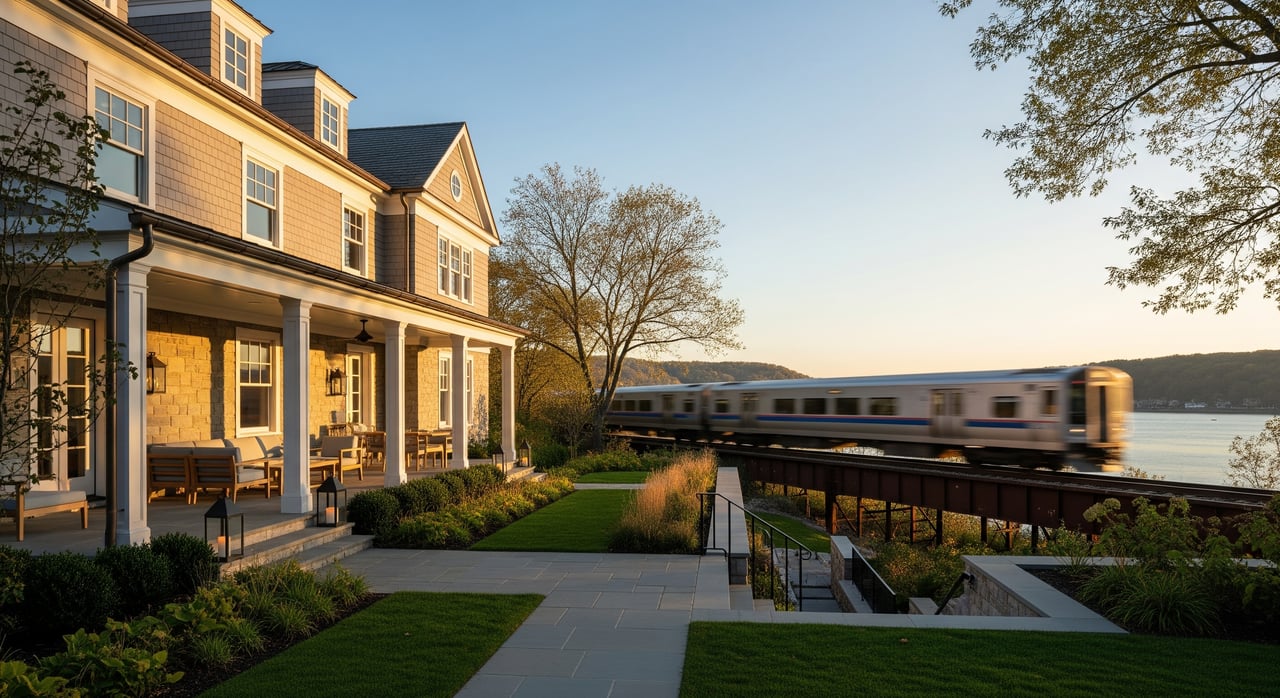
Is your home search really about bedrooms, or is it about your morning train? If you are eyeing Hastings-on-Hudson or the Rivertowns, the Hudson Line commute often decides which homes make the cut. You want a place that fits your life, your budget, and your schedule. In this guide, you’ll learn how Metro-North service, station access, parking, and door-to-door timing shape a smart search in Hastings. Let’s dive in.
Why the Hudson Line matters
Hastings-on-Hudson sits on Metro-North’s Hudson Line, the spine of Rivertowns commuting. Nearby stations include Yonkers, Dobbs Ferry, Irvington, Tarrytown, and others to the north. For many buyers, the Hudson Line’s peak pattern is the key filter, not the mileage to Manhattan.
During weekday peaks, trains run more often and include express and limited-stop options. Some trains skip smaller stations to cut time to Grand Central. Off-peak and reverse-peak options exist but are less frequent. Weekend schedules run differently with fewer trains and later starts. The exact stopping pattern is what narrows your list of towns and streets.
Hastings-on-Hudson station at a glance
Hastings offers a compact, walkable downtown right by the station. Many homes sit within a short walk or bike ride. The station experience can also matter day to day, including platform shelters, ADA access, lighting, and staffing. If those details are important to you, review the Metro-North station information and the Village’s updates for the latest.
Parking and drop-off options vary by lot and street. Permit programs, daily parking, and kiss-and-ride areas affect how easy your mornings feel. If you prefer a consistent routine, put station access high on your must-have list.
Commute time: what to expect
In-train time to Grand Central varies with the specific train and time of day. Express trains typically cut meaningful minutes compared with local service. During off-peak periods, you may see longer run times or different stopping patterns.
Treat your commute as a door-to-door calculation. That means the walk or drive to the station, wait time on the platform, time on the train, and the last segment after you arrive in Manhattan. Because timetables change, check current weekday peak schedules for the exact trains you would use. Then test your typical day in a transit trip planner at your usual departure time.
Door-to-door calculator checklist
- Home to station: walk, bike, drop-off, or drive and park.
- Platform wait: realistic buffer so you are not sprinting.
- In-train time: express vs local matters most here.
- Arrival to office: subway, walk, or ride-hail from Grand Central.
Last-mile and station access in Hastings
Walkability is a major draw in Hastings. Many buyers aim for under a 10-minute walk to the station. A 10 to 20-minute walk can still work if sidewalks, lighting, and crossings feel comfortable. Beyond 20 minutes, you may rely on parking, drop-offs, or local ride options.
If you plan to bike, look for bike racks and well-lit approaches to the platforms. Some commuters mix modes by using ride-hail, taxis, or informal carpools when weather or schedules shift. Having a backup plan makes your routine resilient.
Parking and permits: what it means for your search
Station parking can be the make-or-break factor for buyers who are not within walking distance. In the Rivertowns, many station lots are managed by the village or town, sometimes with MTA lots mixed in. Programs often include resident permits, waitlists, and limited daily parking.
Here is what to keep in mind:
- Permit vs daily: Residents often get priority for permits. Daily spaces may fill early on peak mornings.
- Waitlists: Popular stations can have waitlists that move slowly. If you need parking right away, ask about current status before you bid on a home.
- Fees and enforcement: Expect permits, metered lots, or both. Rules are typically enforced during peak hours.
- Alternatives: Some commuters drive to larger or different stations for more reliable parking, or choose a home with a garage and consistent drop-off routine.
If parking is critical, compare Hastings with nearby stations like Yonkers, Dobbs Ferry, and Irvington. Look at availability, ease of access, and how often express trains stop at each.
Turn commute needs into home filters
Translate your commute into clear, search-ready criteria:
- Proximity to station: set a walking-time goal, such as under 10 minutes or 10 to 20 minutes.
- Service pattern: favor stations with regular peak express stops if speed is your top priority.
- Parking certainty: filter for homes with a driveway or garage, or focus on stations with permit programs that meet your timeline.
- Off-peak reliability: if you have varied hours, verify service in both directions at your actual times.
- Total commute target: set a door-to-door goal and use it as the deciding metric between homes.
Common trade-offs buyers weigh
- Shorter train time vs longer walk: An express train can save minutes, but living a bit farther from the station may open up more inventory. Balance saved in-train minutes with added walk or drive time.
- Guaranteed parking vs village convenience: A home farther from downtown may secure easier parking but reduce day-to-day convenience.
- Frequency vs speed: A station with frequent locals might serve a flexible workday better than a faster but less frequent express.
Cost and budgeting for commuters
Metro-North uses zone-based fares with separate peak and off-peak pricing. Many riders consider monthly tickets for predictable costs. Parking permit fees or daily parking add to the monthly total. Include those in your budget to compare neighborhoods fairly.
Time is part of the cost too. A longer commute can affect your quality of life, family time, and work flexibility. Some buyers prefer a slightly smaller home closer to the station to reclaim those hours.
Weekend and hybrid schedules
If you work hybrid or travel into the city on weekends, focus on frequency and schedule consistency rather than peak speed. Weekend and off-peak service patterns differ from weekday rush hours. Make sure trains run when you actually need them.
If you split time between home and office, walkability, local amenities, and flexible departure times may matter more than the absolute fastest peak train.
A simple action plan
- Set a door-to-door target: Choose a realistic time goal based on your schedule and tolerance for transfers.
- Pick your short list of stations: Start with Hastings and one or two neighbors where you like the village feel.
- Test your trains: Check current Hudson Line weekday and weekend schedules for your exact departure times.
- Decide your access strategy: Walk, bike, ride-hail, or parking permit. Confirm current parking rules and waitlist status with the Village and station information.
- Align the budget: Add monthly fare and parking to your housing budget so you can compare homes apples-to-apples.
Local expertise that saves time
A great home in Hastings starts with a commute that fits your life. With deep Rivertowns knowledge and a data-first approach, you can move faster and with more confidence. If you are planning a purchase, or also need to sell, let’s build a commute-smart plan that aligns with your timeline and budget. Connect with Anthony Lando to get local guidance or request a Free Home Valuation.
FAQs
How long is the Hastings to Grand Central commute?
- It depends on your train and time of day. Express and limited-stop trains are faster than locals. Check current Hudson Line timetables and test a door-to-door trip at your typical departure time.
Do express trains stop at Hastings-on-Hudson?
- Stopping patterns change with schedule updates. Review the latest Hudson Line timetable and trip planner to confirm which peak trains stop at Hastings on the days and times you travel.
How do parking permits work at the Hastings station?
- Many station lots are managed by the Village or MTA with resident-focused permit programs and possible waitlists. Confirm current rules, fees, and availability with the Village office and station parking pages.
What if I cannot get a station parking permit right away?
- Consider daily parking where available, drop-offs, ride-hail, biking, or using a nearby station with more capacity. Revisit permit options as waitlists move.
Is Hastings a good option for non-standard or reverse commutes?
- Review off-peak and reverse-peak schedules for your specific times. Fewer trains run outside rush hours, so prioritize frequency and reliable backups like ride-hail.
How does hybrid work change my home search criteria?
- You may value walkability, flexible departure times, and weekend service more than the absolute fastest peak train. Choose a location that balances commute needs with daily lifestyle.