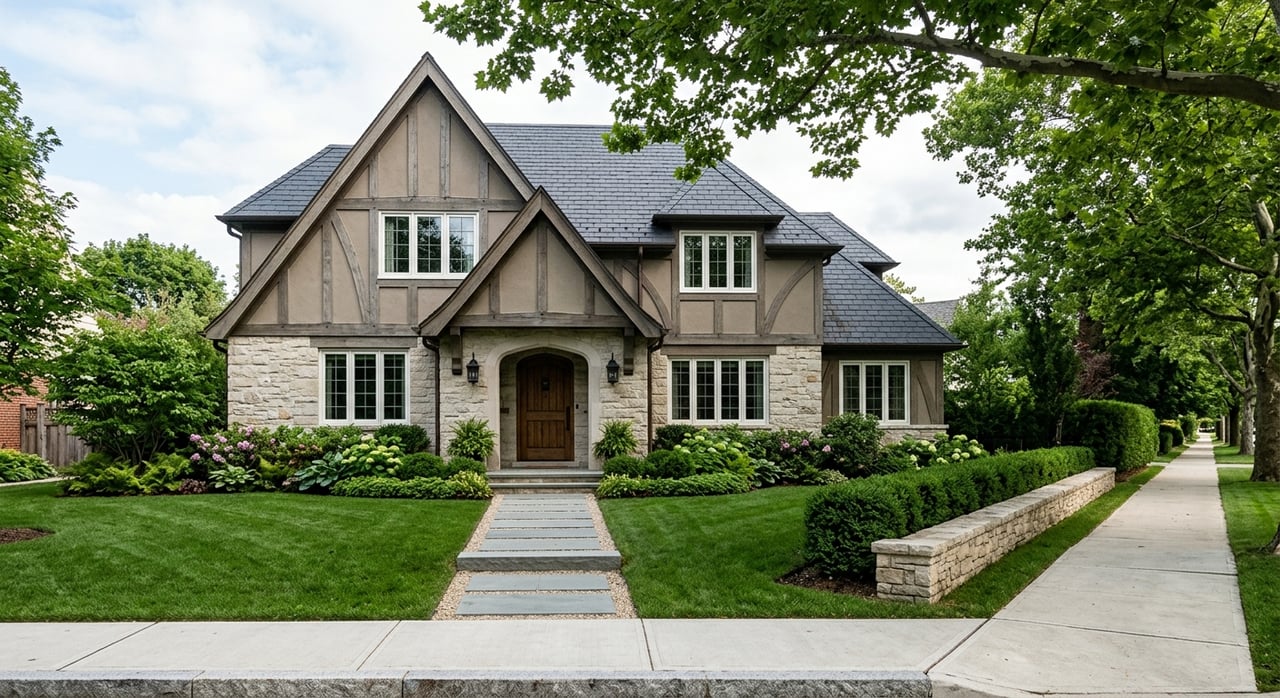
If your ideal morning starts with a short walk to the train instead of a long drive to the station, Rye deserves a close look. For many buyers, the appeal is simple: you want an easier NYC commute without giving up the feel of a real downtown and access to everyday amenities. In Rye, that combination is very real, but it comes with a few important tradeoffs around price, parking, and housing type. Let’s dive in.
Why Rye appeals to train commuters
Rye stands out because its Metro-North New Haven Line station sits alongside a compact downtown. That setup gives you the chance to build daily routines around walking rather than getting in the car for every errand.
The current Metro-North timetable includes direct service from Rye to Grand Central. One published weekday example leaves Rye at 4:57 a.m. and arrives at Grand Central at 5:49 a.m., which is about a 52-minute ride. If your work schedule depends on timing and consistency, that direct connection is a major reason Rye stays on buyers’ short lists.
The station is ADA-accessible and has three ticket machines. It also connects to Bee-Line buses, which can add flexibility if you do not plan to rely on a car for every trip.
What walk-to-train living feels like
In Rye, walk-to-train living is not just about the platform. It is also about what you can do before and after your commute without adding extra driving to your day.
The City of Rye describes Downtown Rye as a Central Business District with diverse shopping, restaurants, and service businesses. Redfin gives Downtown Rye a Walk Score of 89 out of 100 and a Transit Score of 56 out of 100. In practical terms, that suggests many day-to-day errands can be done on foot.
That matters if you want your weekends and weeknights to feel efficient. You may be able to grab coffee, pick up a few essentials, meet friends for dinner, or head to the train without mapping out parking first.
Downtown Rye amenities near the station
One of Rye’s biggest strengths is how many civic and recreation destinations sit near the core. If you want a neighborhood that supports more than just commuting, that is a meaningful advantage.
The city facility directory lists several nearby destinations, including the Rye Free Reading Room at 1061 Boston Post Road, Jay Heritage Center at 210 Boston Post Road, Rye Nature Center at 873 Boston Post Road, Rye Recreation Park at 281 Midland Avenue, and Disbrow Park at 141 Oakland Beach Avenue.
Rye Recreation Park adds useful everyday value. Its facility page lists all-weather tennis courts, Har-Tru courts, a playground, a skate park, athletic fields, and restrooms. The city also highlights Rye Town Park and Playland as community destinations.
For buyers, this means the walk-to-train lifestyle can extend beyond the workweek. You are not just buying proximity to a station. You are buying access to a more connected routine.
Housing types near Rye station
One of the most important things to know is that walk-to-train living in Rye does not point to just one kind of home. Instead, the current listing mix shows a range of housing options within the broader station area.
Current examples on Redfin include a duplex-style home at 3 Peck Ave Unit 311B for $399,000, a downtown townhouse at 83 Orchard Ave for $3,395,000, a penthouse-style unit at 120 Old Post Rd Ph-E303 for $1,995,000, and a detached home at 48 Clinton Ave for $999,000.
That range matters because it gives you more than one path into the market. Depending on your budget, space needs, and maintenance preferences, you may find attached living, apartment-style options, townhome living, or detached housing within the same general commute shed.
What the current Rye market suggests
At the citywide level, Redfin shows Rye’s median sale price at $2.2 million last month. That figure was down 13.3% year over year, with homes selling for about 3% above list price and going pending in around 29 days.
For buyers, the takeaway is not that every walk-to-train home will look the same or cost the same. It is that Rye remains a high-value market where convenience and location can strongly shape pricing, competition, and the kind of home you can expect at each budget level.
In many cases, being closer to downtown and the station may mean making tradeoffs on lot size, garage capacity, or privacy. Buyers who want a larger yard or more separation from neighbors may need to look farther from the most walkable core.
The main tradeoffs to think through
The best Rye purchase decisions usually come from being clear about what matters most to you. If the train is your top priority, some compromises may feel well worth it. If space or parking ranks first, your search may look different.
Here are a few of the biggest tradeoffs buyers should weigh:
- Commute convenience vs. home size: A shorter walk to the station may mean a smaller home, smaller lot, or attached housing.
- Walkability vs. privacy: The most convenient locations are often in denser parts of town.
- Location vs. parking ease: A great in-town address does not always mean simple car storage.
- Move-in ease vs. renovation plans: If you want to update an older home, local review and approval processes matter.
None of these tradeoffs are deal-breakers on their own. They simply shape which part of Rye is the best fit for your daily life.
Parking can shape your decision
If you plan to keep a car, parking deserves early attention. This is one of those details that can affect your quality of life more than buyers expect.
The city says downtown daily parking is available on Purchase Street or behind the shops in municipal lots. At the station, parking is permit- or meter-controlled, and overnight parking at the railroad station is not allowed from 11 p.m. to 7 a.m.
The city also states that MTA commuter lots are open to residents and non-residents, and that resident-only Highland/Cedar commuter lots also exist. However, the MTA commuter parking waitlist is currently estimated at 3 to 6 years.
That means you should confirm parking specifics before you fall in love with a property. Ask whether the home includes off-street parking, whether permit parking may be needed, and how your daily routine would work if commuter-lot access is limited.
Renovation plans need a local review check
If you are considering an older home near downtown Rye and already picturing additions or exterior changes, build that research into your search from the start. Renovation potential is not just about layout and budget.
Rye’s Building Department and Board of Architectural Review are part of the local regulatory landscape. That does not mean improvements are off the table, but it does mean buyers should factor approvals and process into their timeline if updates are part of the plan.
For some buyers, a turnkey property near the station will be the easier choice. For others, a home with renovation upside may still make sense if the location checks every other box.
How to decide if Rye fits your lifestyle
Rye tends to work best when you want your commute, errands, and free time to feel more connected. If you value a direct train line, a compact downtown, and access to parks, recreation, and local services, the town offers a strong case.
It may be especially appealing if you want flexibility in housing type. The current market shows that walk-to-train buyers can explore a range of options rather than assume the area only offers one price point or one format.
At the same time, success in Rye often comes down to being realistic about tradeoffs. If your wish list includes a short walk to Metro-North, abundant parking, a large lot, and complete privacy, you may need to prioritize which features matter most.
The right strategy is to match your home search to the life you want to live each day. If Rye is on your radar, a neighborhood-by-neighborhood review can help you separate what sounds appealing on paper from what will actually work for your routine.
If you are weighing Rye against other Westchester commuter towns, working with a local advisor can help you compare tradeoffs clearly and move with confidence. When you are ready for a thoughtful, data-driven conversation about your next move, connect with Anthony Lando.
FAQs
How long is the train ride from Rye to Grand Central?
- One published weekday Metro-North example shows a direct trip leaving Rye at 4:57 a.m. and arriving at Grand Central at 5:49 a.m., which is about 52 minutes.
What is downtown walkability like in Rye?
- Redfin rates Downtown Rye at 89 out of 100 for Walk Score and 56 out of 100 for Transit Score, which suggests many errands can be done on foot.
What kinds of homes can you find near Rye station?
- The current listing mix includes duplex-style homes, townhouses, penthouse-style units, and detached homes within the broader walk-to-train area.
What should buyers know about Rye station parking?
- Station parking is permit- or meter-controlled, overnight parking is not allowed from 11 p.m. to 7 a.m., and the current MTA commuter parking waitlist is estimated at 3 to 6 years.
Are there parks and recreation options near downtown Rye?
- Yes. The city lists destinations including Rye Recreation Park, Rye Nature Center, Jay Heritage Center, Disbrow Park, Rye Town Park, and Playland.
Should buyers research renovation rules in Rye before buying?
- Yes. Rye’s Building Department and Board of Architectural Review are part of the local process for exterior changes and additions, so renovation plans should be reviewed early.